
Many Hands Make the Load Light: “Men Anpil Chay Pa Lou”
Lorem ipsum dolor sit amet, consectetur adipiscing elit, sed do eiusmod tempor incididunt ut labore et dolore magna aliqua.
If you grew up in Thomazeau and left, whether for school, work, family, or a better chance at life, you know the feeling. Wherever you are, a part of you is still there. You think about the streets you walked, the fields, the people you grew up with. You may even picture the day you go back.
When you do, what do you hope to see?
A Responsibility We Share
Those of us who have had the chance to build a life abroad did not get here alone. Thomazeau shaped us. Its people raised us, taught us, and sent us off with their hopes. Giving back is not charity. It is how we honor where we come from.
It is also how we make sure the Haiti we return to is better than the one we left. The people who still live in Thomazeau are not waiting for a miracle. They are farming, raising children, and carrying their community through hard times. What they need is partners who believe in them and are willing to invest in what they are already doing.
Good Intentions Need a Trustworthy Vehicle
Most of us already want to help. The hard part is knowing that our money will reach the people and projects it is meant for. Many of us have sent funds home with the best intentions and wondered afterward what became of them.
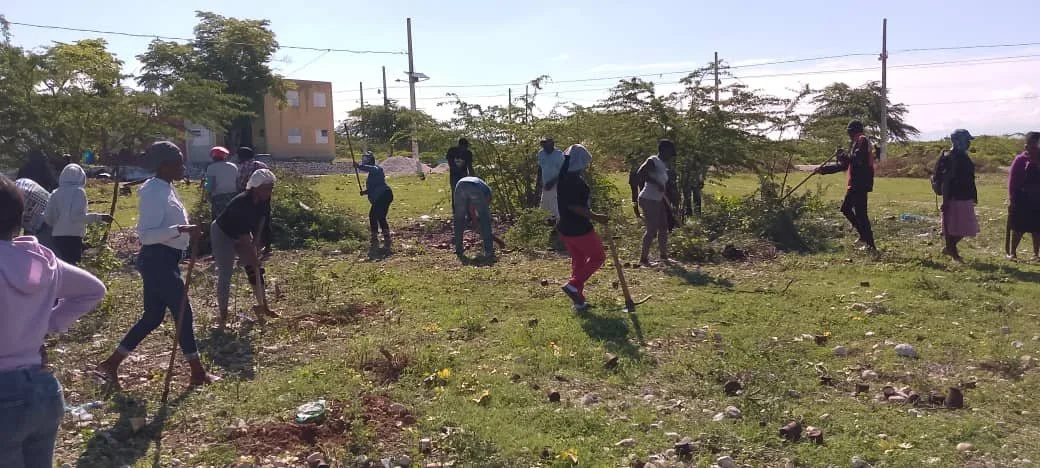
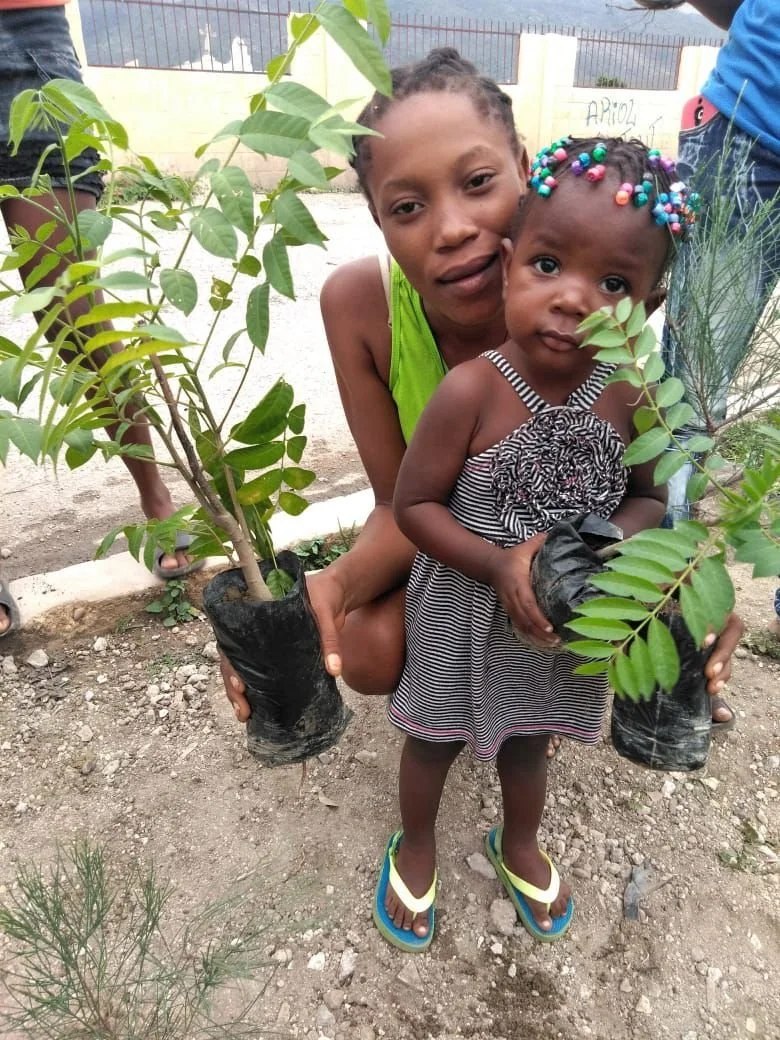
That is why OCIPAT exists. We are people from Thomazeau, and we have shown what we can do: 113 trees planted, a canal that waters hundreds of farms cleared and restored, downtown streets and canals cleaned, and educational trainings for the community. You can see the work on our Projects page, with photos and video.
Local Hands, Shared Plans
Every project we carry out starts as a conversation. We work hand in hand with a local team in Thomazeau, and we plan each project together. They know the land, the needs, and the people. We bring the resources, the organization, and the commitment to follow through. The local team then carries out the work on the ground, so the money goes where it is needed and the community has a hand in its own progress.
As the Haitian proverb says, men anpil, chay pa lou: many hands make the load light.
What You Can Do
You do not have to do everything. You only have to start. A one-time gift or a small monthly contribution adds up, especially when it is combined with those of others who share your love for Thomazeau.
Entrust OCIPAT with your support, and let us put it to work for the community we all come from. When you go back one day, you will see the difference your gift helped make.
When the Trees Go, Everything Follows
Lorem ipsum dolor sit amet, consectetur adipiscing elit, sed do eiusmod tempor incididunt ut labore et dolore magna aliqua.
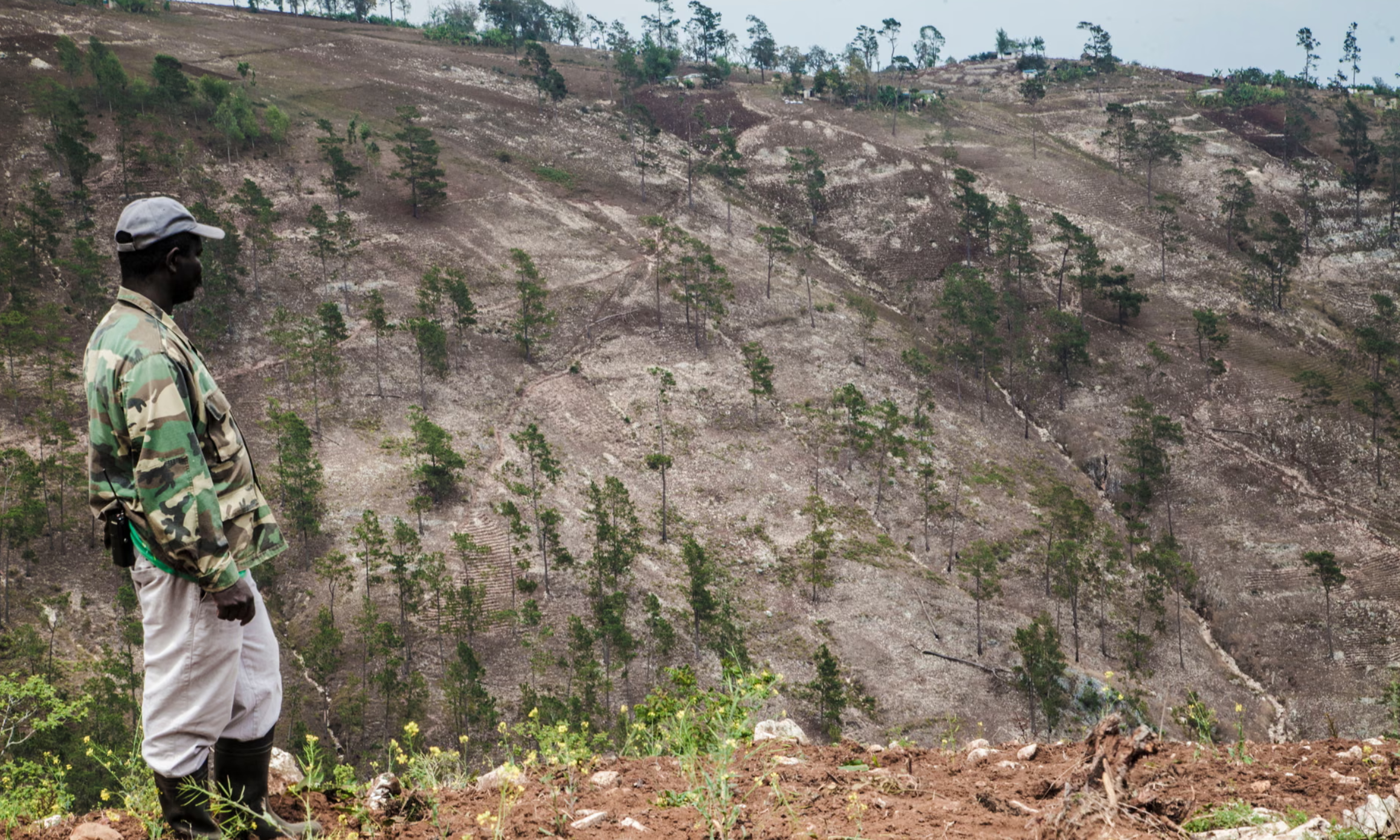
Anyone who has traveled through Haiti knows the sight: hillsides that were once green, now bare. Ask people who grew up in Thomazeau and they will tell you the land looked different not so long ago. There was more shade, more water, and more life.
The loss of trees is one of the most serious problems facing Haiti today, and its effects reach far beyond the hillside where a tree once stood.
Why the Trees Are Being Cut
Most people who cut trees are not doing it out of carelessness. They are doing it to survive. Wood and charcoal are still the main cooking fuel for a large number of Haitian families, and selling charcoal is often one of the few ways to earn income. When the choice is between a tree and a meal, the tree loses.
That is why this problem cannot be solved by blaming individuals. It has to be solved by offering alternatives and by replacing what is taken.
What Happens Downstream
A tree does a lot of quiet work. Its roots hold the soil together, its canopy slows the rain, and its leaves feed the ground. Remove enough trees and the effects pile up:
Soil erosion. Without roots to anchor it, fertile topsoil washes away with every heavy rain, and it does not come back quickly.
Weaker harvests. Farmers lose the rich soil their crops depend on, and yields drop season after season.
Flooding. Bare hillsides cannot absorb water, so rain rushes downhill into towns, fields, and canals, sometimes with devastating force.
Clogged canals and waterways. The soil that washes away ends up as silt in irrigation canals and rivers, making them harder to keep clear. This is a problem we have seen firsthand in our own canal cleanup work.
Less reliable water. Healthy tree cover helps the ground hold water. Without it, springs and streams can dry up faster in the dry season.
Greater vulnerability to storms. Deforested land suffers more when hurricanes and heavy rains arrive, and recovery is slower.
Everything is connected. The tree cut on the hill affects the farmer in the valley and the family in town.
The Cost Falls on the Next Generation
The hardest part is that this damage is slow and cumulative. Each tree cut seems small, but together they change what the land can offer to the children growing up today. If the trend continues, they will inherit poorer soil, less water, and fewer options.
What We Can Do
The good news is that this can be reversed, and it starts with people who care. At OCIPAT, we believe in a few practical steps:
Plant trees, and keep them alive. Planting matters, but follow-up care is what makes trees survive. We work with our local team to protect what we plant.
Choose useful trees. Fruit and other trees that give families food or income give people a reason to protect them rather than cut them down.
Support alternatives. Cleaner and more affordable cooking and income options reduce the pressure on forests.
Educate and involve the community. People protect what they understand and what they helped create.
Invest from afar. Those of us living abroad can fund this work. Supporting reforestation is one of the most direct ways to help the land and the people who depend on it.
The Haiti We Want to Return To
Imagine going back to Thomazeau years from now and finding green hillsides, steady water in the canals, and farmers with good harvests. That future is possible, but only if trees are planted today and protected for years to come.
Read about our reforestation work on our Projects page, and if you want to be part of the solution, please consider giving.